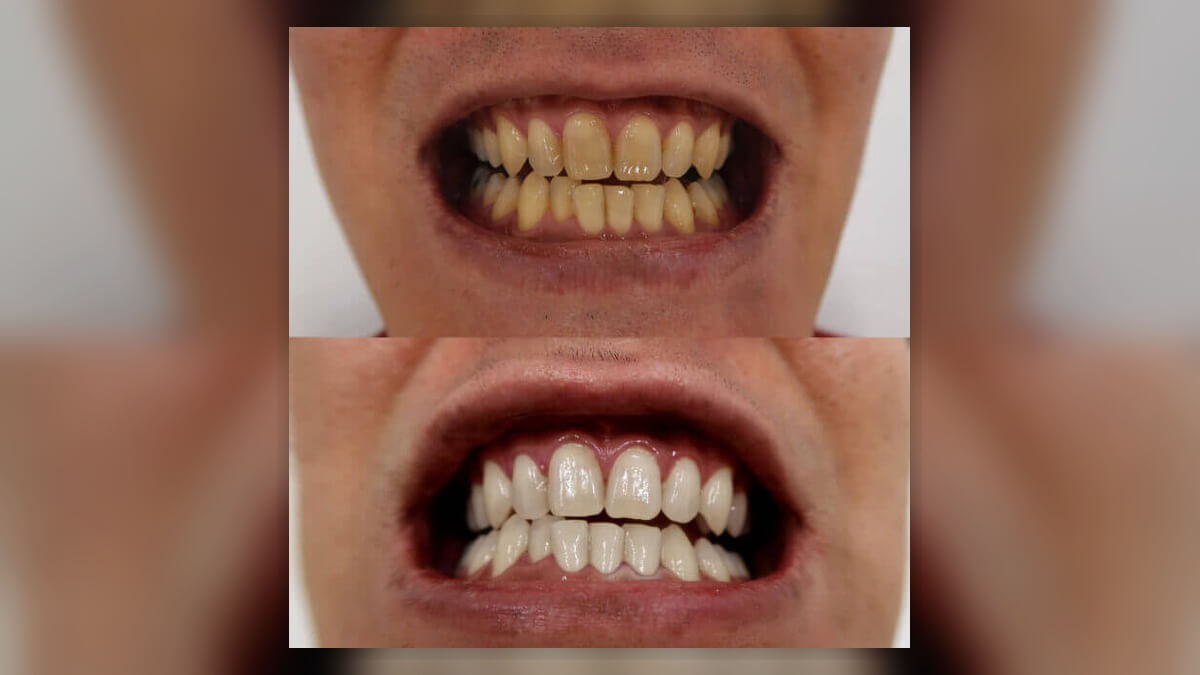
Veneers vs crowns: which option fits your goals
Veneers vs crowns is a common comparison, but the two treatments are not simply different versions of the same thing. A veneer is usually a cosmetic covering for the front surface of a tooth. A crown is a cap that covers the whole tooth and is often used when a tooth needs strength, protection or restoration as well as appearance.
That difference matters. If your main concern is the look of otherwise healthy front teeth, veneers may be discussed. If a tooth is cracked, heavily filled, worn down, root-canal treated or structurally weak, a crown may be more appropriate. The right choice depends on the tooth, not only the smile goal.
Veneers vs crowns: when each option may fit
Veneers are often used for cosmetic concerns such as discolouration, small chips, uneven edges, minor gaps or shape improvements. They can create a smoother, brighter and more balanced smile while preserving more tooth structure than a crown in suitable cases.
However, veneers still require planning. Some cases involve enamel preparation, and veneers are not ideal for every bite or every level of tooth damage. If you grind your teeth or have significant wear, your dentist may need to discuss protection or alternative treatments.
When crowns may be the better option
Crowns are usually more restorative. They can protect and strengthen a tooth that has been damaged, weakened or worn. A crown can also improve appearance, but its main advantage is full coverage and support. This is why crowns are often recommended for teeth that need more than a cosmetic surface change.
Crowns require more tooth preparation than veneers because they cover the whole tooth. They can be made from different materials, including porcelain and ceramic options that are designed to look natural. The choice depends on strength needs, position in the mouth, bite forces and cosmetic expectations.
How to decide between veneers and crowns
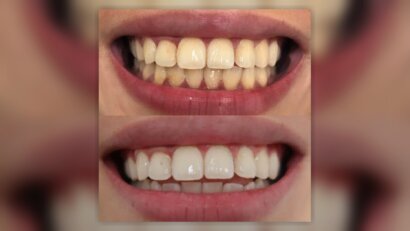
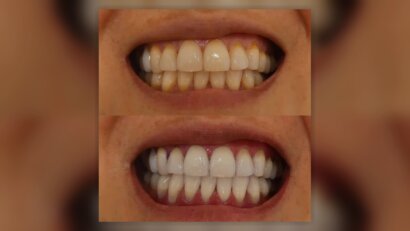
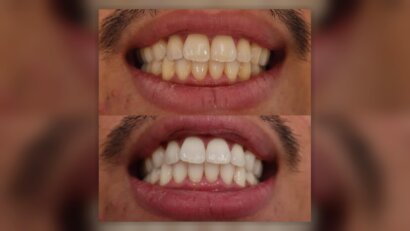
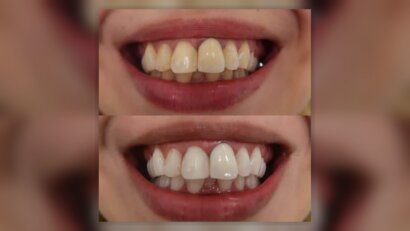
Do not decide from photos alone. Ask what condition the tooth is in, how much natural structure remains, whether bite forces are a concern, and what maintenance each option requires. Also ask what happens if the restoration needs replacement in future.
The best treatment is the one that solves the real problem. If the issue is cosmetic, veneers may be enough. If the issue is strength, function or damage, crowns may be the more responsible option. A consultation helps you choose with confidence.
Why the condition of the tooth decides the answer
The most important factor in the veneers vs crowns decision is the condition of the tooth. If the tooth is strong and the concern is mostly cosmetic, a veneer may be enough in suitable cases. If the tooth has lost strength, has a large filling, is cracked or needs full coverage, a crown may be the more protective choice.
This is where photographs can be misleading. Two teeth may look similar from the front, but one may be healthy and the other may be structurally compromised. A cosmetic plan that ignores strength can create problems later. A restorative plan that ignores appearance can leave a patient unhappy with the smile. The best answer balances both.
Ask your dentist to explain the trade-off. Veneers often preserve more tooth structure but cover less of the tooth. Crowns cover more and can protect more, but they require more preparation. Once you understand that difference, the recommendation becomes easier to judge.
Ask about maintenance and replacement
Both veneers and crowns need maintenance. They can chip, wear, loosen or need replacement in future, especially if the bite is heavy or oral hygiene is poor. Ask how to care for the option being recommended and whether a night guard or other protection is advisable.
It is also worth asking what future replacement would involve. A veneer replacement may be different from a crown replacement because the restorations cover different amounts of tooth structure. Understanding that long-term picture helps you choose with your future smile in mind, not only the immediate result.
The decision can also affect the surrounding teeth. If one front tooth is crowned or veneered, the shade and shape must blend with the neighbouring teeth. If several teeth are being treated, the design needs to look consistent without becoming artificial. That is why the conversation should include both dental strength and smile aesthetics. A good recommendation should make sense when you understand the tooth, not just when you see the proposed result.
For wider dental education on this topic, you can also read MouthHealthy information on crowns.
Veneers vs crowns FAQs
Veneers vs crowns: are veneers better than crowns?
Not always. Veneers are mainly cosmetic, while crowns are often restorative. The better option depends on the tooth and the goal.
Veneers vs crowns: do crowns look natural?
Modern crowns can be designed to look natural, especially with ceramic or porcelain materials. Shade and shape planning are important.
Which lasts longer, veneers or crowns?
Longevity varies by material, bite, oral hygiene and care. Both may need replacement eventually.
Can I get veneers instead of crowns?
Only if the tooth is suitable. A weak, cracked or heavily restored tooth may need the protection of a crown.