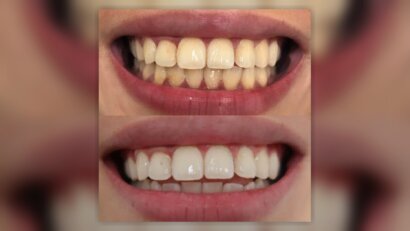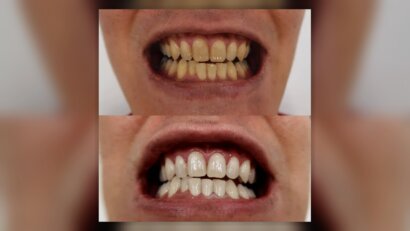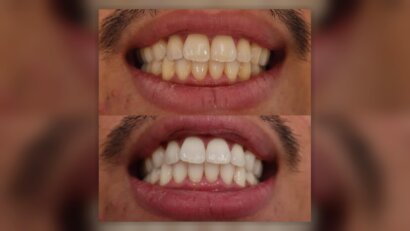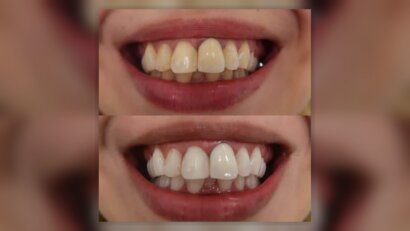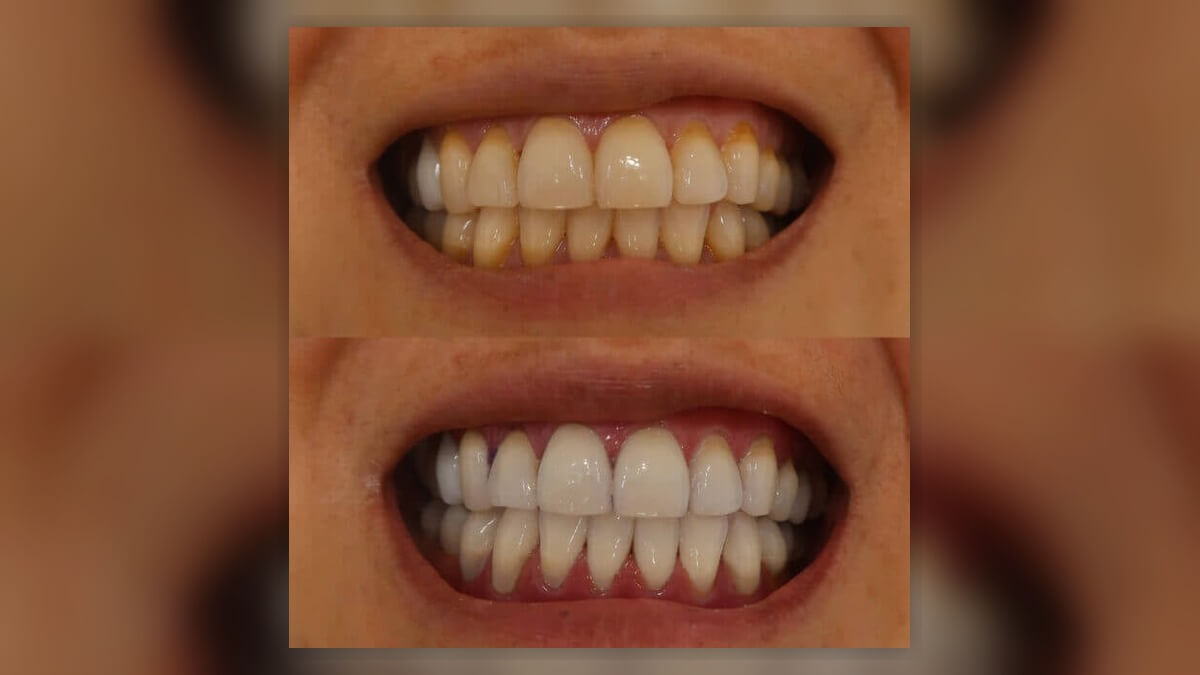
Restorative dentist Camps Bay: rebuilding function and confidence
Searching for a restorative dentist in Camps Bay usually means something has started to affect your comfort, confidence or ability to enjoy your smile. You may have worn teeth, broken teeth, missing teeth, old restorations, bite concerns or a smile that no longer feels as strong as it should. Restorative dentistry looks at function as well as appearance.
A smile restoration plan can include different treatments depending on what is happening in your mouth. Crowns, veneers, implants, bridges, whitening and bite planning may all be discussed in different situations. The important thing is that the plan starts with diagnosis, not guesswork.
Restorative dentist Camps Bay: when to consider treatment
Restorative dentistry may be worth discussing if your teeth feel worn, short, chipped, cracked or uncomfortable. It may also be relevant if you avoid chewing on one side, feel self-conscious about damaged teeth, or have older dental work that no longer looks or feels right.
Some people wait until pain becomes severe, but early planning can often make the conversation easier. If you notice changes in your bite, sensitivity, visible cracks, repeated breakages or difficulty chewing, it is better to ask for advice before the problem becomes more complex.
What happens in a restorative consultation
A restorative consultation should explore your concerns, dental history, bite, tooth structure, gums and smile goals. If bite reconstruction in Cape Town or Camps Bay is being considered, the dentist may need to understand how your teeth meet, whether you grind or clench, and how worn areas developed.
The discussion should also include priorities. Some patients care most about comfort and chewing. Others want the smile to look better as well. Many need both. A good plan should balance function, health, aesthetics, timing and budget.
Building a plan that lasts
Restorative dentistry is not about doing as much treatment as possible. It is about doing the right treatment in the right order. Sometimes that means stabilising the bite before final cosmetic work. Sometimes it means replacing old restorations, protecting weakened teeth or planning a full-mouth rehabilitation when several issues connect.
The right restorative dentist in Camps Bay should explain each step clearly and help you understand why it matters. When function and appearance are planned together, the result can feel stronger, calmer and more confident.
Why function should be part of the smile conversation
A restorative smile plan should never look only at the front teeth in isolation. Teeth work together when you chew, speak and close your mouth. If the bite is unstable, if teeth are worn down, or if old dental work is failing, cosmetic improvements may not last as well unless the functional issues are considered.
This is especially important for people who grind or clench. Worn edges, chipped porcelain, repeated cracks and jaw tension can all point to forces that need to be understood. A restorative dentist may discuss protection, bite balance or staged treatment before final cosmetic work is completed.
A good consultation should help you understand priorities. Sometimes the first step is comfort. Sometimes it is stabilising damaged teeth. Sometimes it is planning the final appearance once function has been addressed. When the order is right, the result can feel more comfortable and look more natural.
When restorative work becomes a confidence issue
Restorative dentistry can also affect confidence. People with worn, broken or missing teeth may stop smiling fully, avoid certain foods, or feel anxious about photos. A restorative plan can help rebuild not only function, but also the ease of speaking, laughing and eating without constantly thinking about the problem.
That emotional side should be part of the conversation. Tell the dentist what the issue stops you from doing. If you avoid chewing, smiling or social situations, that information helps shape a treatment plan that responds to your real life, not only the clinical appearance of the teeth.
Restorative dentistry may also need patience. If several teeth are involved, the plan may happen in stages so the dentist can stabilise problems before final cosmetic refinements. That staged process is not a delay for its own sake. It can be the difference between a quick patch and a result that feels stronger, healthier and easier to maintain. For many patients, that stability is what makes the final cosmetic improvement feel truly worthwhile. It also helps the final smile support everyday comfort, not only photographs and special occasions.
For wider dental education on this topic, you can also read MouthHealthy crown guidance.
Restorative dentist Camps Bay FAQs
Restorative dentist Camps Bay: what does a restorative dentist do?
A restorative dentist helps repair or replace damaged, worn, weak or missing teeth while considering comfort, function and appearance.
Restorative dentist Camps Bay: is restorative dentistry the same as cosmetic dentistry?
They can overlap, but restorative dentistry focuses strongly on function and tooth health as well as appearance.
What is bite reconstruction?
Bite reconstruction involves planning how teeth meet and function, especially when wear, damage or jaw strain affects the smile.
When should I book a restorative consultation?
Book when you notice broken teeth, worn edges, chewing discomfort, repeated dental problems or changes in your bite.